Gable ends are exposed to strong winds, heavy rain, and structural shifting over time. If damaged, they can cause leaks, dampness, and safety risks.
Secure your home against the elements. From crumbling mortar verges in Milverton to rotting bargeboards in Lillington, we restore the strength and style of your gable ends.
If you stand on the opposite side of the street and look up at the peak of your home, you are looking at the gable end. In Royal Leamington Spa, where our wide, leafy avenues often channel the wind, this triangular section of wall and roof takes a beating. It acts as the “bookend” of your home, holding the roof tiles in place against strong cross-winds.
Yet, it is often ignored until a chunk of mortar falls on the driveway, or a storm tears a bargeboard loose.
At Trident Roofing and Building LTD, we understand that gable repairs are about more than just kerb appeal; they are about structural security. Whether you have a Victorian property with elaborate timber details or a mid-century semi with failing cement work, our local team has the expertise to fix it permanently, respecting both your budget and Leamington’s unique architectural heritage.
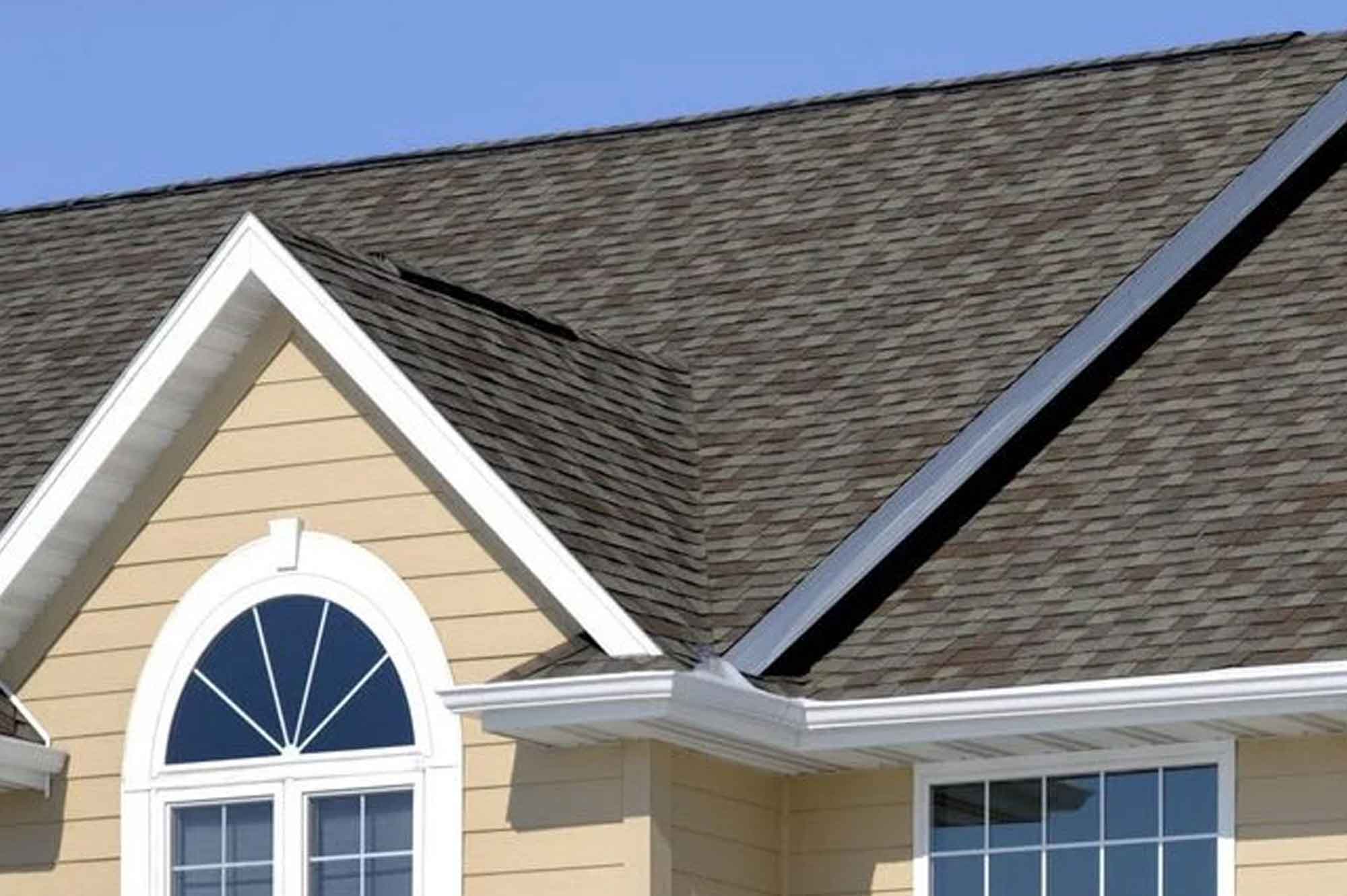
Damage to a gable often happens gradually, then suddenly. Catching these early warning signs can save you from a catastrophic roof failure during the next big storm.
The “Mortar Drop”: Finding grey lumps of cement on your patio or garden path? This usually comes from the “wet verge”—the mortar edge that seals your tiles.
Rotting Bargeboards: The timber boards that run up the edge of the roof often rot from the bottom up. If the paint is peeling or the wood feels spongy, water is getting behind them.
The “Leaning” Apex: In older properties, the triangular section of brickwork at the very top can sometimes bow outwards (belly out). This is a structural emergency requiring immediate stabilization.
Nesting Birds: If you see Starlings disappearing into a hole at the edge of your roof, they have found a gap in your gable. Their nests can block ventilation and cause damp.
We specialise in repairing and reinforcing gable ends to ensure your property remains stable and fully weatherproof.
Damage to a gable often happens gradually, then suddenly. Catching these early warning signs can save you from a catastrophic roof failure during the next big storm.
The “Mortar Drop”: Finding grey lumps of cement on your patio or garden path? This usually comes from the “wet verge”—the mortar edge that seals your tiles.
Rotting Bargeboards: The timber boards that run up the edge of the roof often rot from the bottom up. If the paint is peeling or the wood feels spongy, water is getting behind them.
The “Leaning” Apex: In older properties, the triangular section of brickwork at the very top can sometimes bow outwards (belly out). This is a structural emergency requiring immediate stabilization.
Nesting Birds: If you see Starlings disappearing into a hole at the edge of your roof, they have found a gap in your gable. Their nests can block ventilation and cause damp.
We don’t offer a “one size fits all” patch. We assess the age of your property and the type of failure to recommend the right solution.
The “verge” is the edge where your roof tiles meet the gable wall. Historically, this was sealed with mortar (Wet Verge). Today, you have a choice.
1. Traditional Wet Verge Repair (Re-bedding) For heritage properties in the Leamington conservation area, maintaining the original look is essential. We carefully chip out the old, crumbling cement and re-bed the edge tiles using a durable, weather-resistant mortar mix. For older Victorian homes, we use Lime Mortar to allow flexibility and prevent cracking.
2. Modern Dry Verge Systems For post-war homes in Cubbington or Whitnash, we often recommend upgrading to a Dry Verge.
What is it? A system of interlocking UPVC caps that clip over the edge of your tiles.
The Benefit: It is mechanically fixed (screwed in), meaning it cannot blow off in a storm. It requires zero maintenance and no mortar.
Local Tip: We use high-quality, UV-stable units that won’t fade to pink in the sun after two years.
The bargeboard is the decorative board that runs up the gable. In Leamington, many of these are beautiful original timbers.
Restoration: If the timber is sound, we strip, treat, and repaint it using breathable exterior paints.
Replacement: If the wood is rotten, we can replace it with responsibly sourced timber (for listed buildings) or low-maintenance UPVC that mimics the grain of real wood (for modern homes).
If the brickwork on the triangular gable end is crumbling, water will seep through into your loft. We grind out the old mortar and repoint the wall.
Important: We always match the mortar colour to your existing brickwork—whether it’s the warm red brick of North Leamington or the buff brick of the suburbs.
One of the most common mistakes we see is homeowners installing white plastic Dry Verge kits on historic Victorian terraces.
If you live in a Conservation Area (like the town centre, New Milverton, or parts of Lillington), Warwick District Council has strict guidelines.
Plastic Restrictions: You may not be allowed to use plastic UPVC features on the front elevation of your house.
Material Matching: Repairs must often be “like-for-like.” This means using timber bargeboards and traditional mortar verges, not modern caps.
We handle this for you. We know where the conservation boundaries end. If you are in a restricted zone, we will only specify materials that keep you compliant and avoid enforcement action from the Council.
Safety First (Scaffolding): Gable ends are high and difficult to reach from a ladder safely. For most gable repairs, we will erect a dedicated scaffold tower. This ensures our team is safe and allows us to do a high-quality job without rushing.
Strip Down: We remove the damaged mortar, rotten wood, or loose tiles. We inspect the “under-cloak” (the board the tiles sit on) for asbestos—common in 1970s builds—and handle it safely if found.
The Fix: Whether we are installing a mechanical dry verge or expertly troweling fresh mortar, we work to a neat, professional finish.
Ventilation Check: While we are working on the gable, we check that your roof space has enough airflow to prevent condensation. If needed, we can install discreet vents in the bargeboards.
Q: My gable tiles are lifting in the wind. What’s wrong? A: This usually means the mortar bond has failed, or the “dentil slips” (small filler tiles) have fallen out. This is dangerous as tiles can be blown off. We need to secure this immediately, likely with mechanical fixings.
Q: Can you repair the gable without scaffolding? A: Rarely. For a bungalow, perhaps. But for a standard two-storey house in Leamington, a ladder is not a stable enough platform for precision work like re-bedding tiles or replacing heavy bargeboards. We prioritize safety and quality.
Q: Is a dry verge better than mortar? A: In terms of longevity, yes—it lasts 20+ years without maintenance. However, aesthetically, it doesn’t suit every home. We will advise you on what looks best for your specific street.
Q: How long does the work take? A: Most gable repairs are completed in 1–2 days. Scaffolding may be up for a day or two either side of the work.
Don’t wait for a storm to expose the weakness in your gable end. Protect your home’s structure and value with expert care.
Call Trident Roofing and Building LTD today on +44 7733 716285 for a free gable inspection and quote.
Let us help you! We are experts at roofing services, and we offer a full range of repair and upkeep services.
WhatsApp us